Disaster Recovery Readiness
After a disaster, proof matters — for insurance, FEMA, and replacing what was lost. This playbook helps families document what they own before they ever need to.
Start small · No account needed to read this guide
One manageable first step.
Save a copy of your insurance policy in your own storage and photograph one room. Agree on a meeting place and an out-of-area contact, and keep an offline or printed backup of essential information.
How Plans & Keepsakes helps
Prepare the records as well as the supplies.
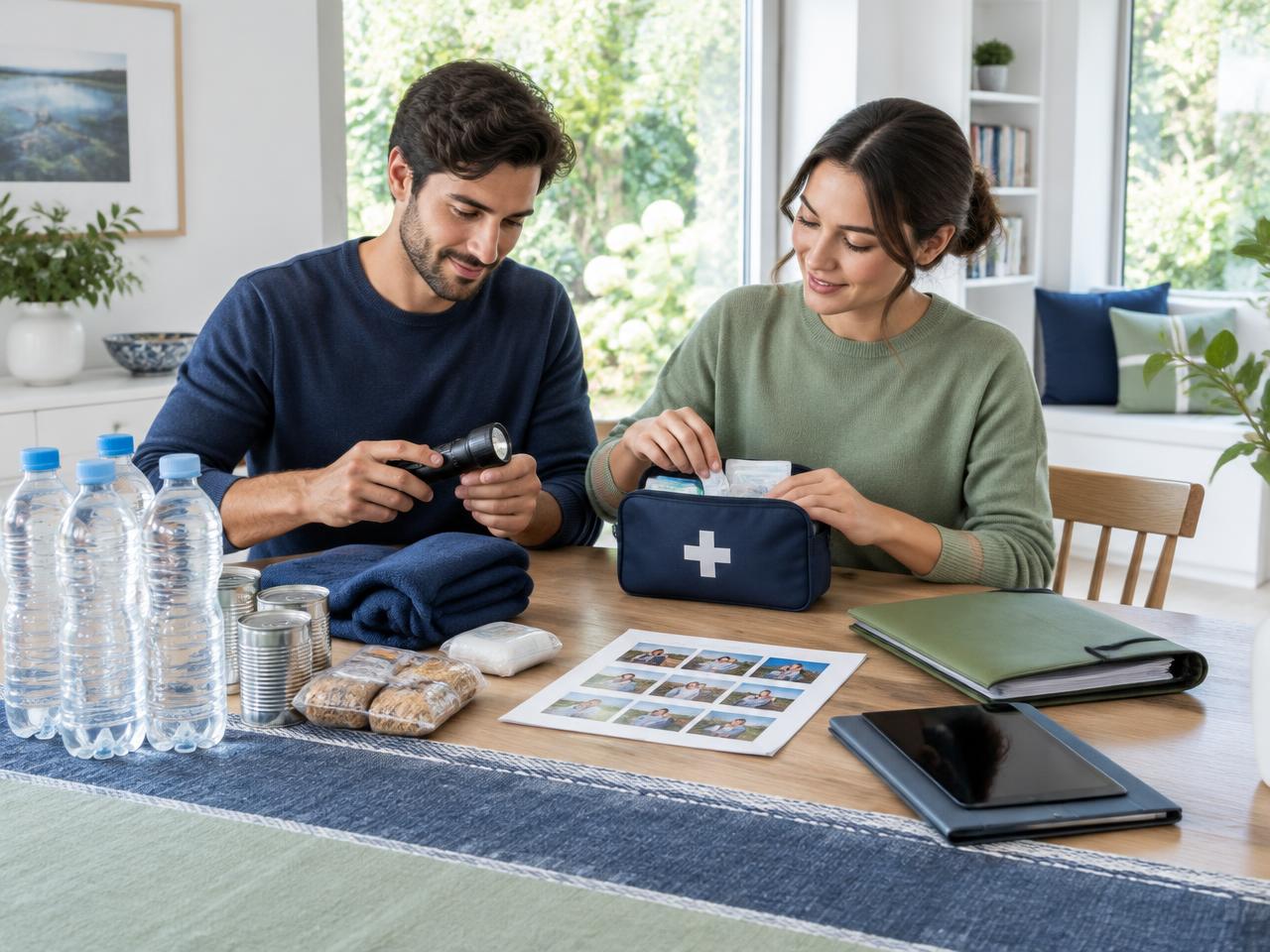
Use the checklist to gather copies of IDs, insurance papers, and home records in storage you control, and build a photo inventory of your belongings. Write down emergency contacts and evacuation plans so the details are not scattered across drawers and phones.
What that looks like in everyday life
If you need to leave home quickly, you know where copies of key records are. After a fire or flood, your inventory and receipts can help you explain what was lost to an insurer; they do not guarantee a claim outcome.
What you can do with Plans & Keepsakes
A clearer record before you ever need it.
Keep household records and proof of belongings organized as one part of your preparedness plan. Keep essential information available offline or in print as well.
Photos and details of belongings
Create a room-by-room inventory with item photos, values, and serial numbers.
Why it matters: Have a reference when describing what was damaged or lost, rather than relying only on memory.
Policies and important document copies
Insurance policies, home records, identification copies, and receipts: keep a copy in your own secure storage (see the Records Guide).
Why it matters: Find your policy and supporting information when contacting an insurer or replacing records.
Your household’s preparedness information
Your evacuation plan, emergency contacts, and other written instructions: keep a copy in your own secure storage (see the Records Guide).
Why it matters: The practical details have a known home instead of being scattered across phones and drawers.
A printable inventory
Export your inventory as a PDF to review or keep with your backup records.
Why it matters: Bring a concrete record to a conversation with your insurer. It does not guarantee payment or eligibility for assistance.
What to gather
Gather what applies to your family and keep important records in storage you control (see the Records Guide). It does not need to be complete to be useful.
- Room-by-room home inventory
- Photos and receipts for valuables
- Homeowners and flood insurance policies
- Mortgage and deed copies
- Emergency contacts and evacuation plan
- Backup ID and document copies
Organize the records behind your preparedness plan.
This guide is free to read. Create an account when you are ready to keep a home inventory and private family memories. Use this checklist while you gather records in your own storage. Playbooks and guides are general organizing guidance, not legal, financial, medical or insurance advice.
Another chapter of family life